
Every home reaches a point where the clutter stops being background noise and starts being the problem. A bedroom chair that has not seen the light of day in months. A closet where nothing has a real home. A pantry that requires excavation to find anything. At Boston Closet Co., we have been helping Greater Boston homeowners get organized since 1976, and in that time one pattern stands out: clutter is almost never a willpower problem. It is a storage design problem. This guide covers the practical methods for how to declutter your home, the rooms that need the most attention, and the custom storage solutions that keep things clean long after the initial purge. If you only have twenty minutes and one closet to tackle right now, our easy closet decluttering hacks for messy people is a good place to start. This guide is for the full-home reset.
The most effective way to declutter your home is to start with one space at a time, sort everything into keep, donate, trash, and relocate, ask honest questions about what you actually use, and then build a custom storage system around what stays. The declutter is the first step. The right storage system is what makes it last.


Why Most Homes Stay Cluttered
Clutter accumulates almost by itself. It does not wait for permission, and it does not respect effort. You clean a room and two weeks later it looks the same. The reason is usually not that you are disorganized. It is that items do not have a clearly designated, convenient home. When something does not have a place, it lands wherever is closest. That becomes the pile. The pile becomes the new normal.
We see this in every home we work in, from small Boston condos to large suburban houses on the South Shore. The bedroom chair is not laziness. It is the result of a closet system that does not have a logical place for certain clothes. The entryway pile of shoes is not carelessness. It is the absence of dedicated shoe storage by the door. Once you understand that clutter is a structural problem, you can solve it structurally. That is where custom storage systems from Boston Closet Co. come in, but first you have to do the purge.
How to Actually Start Decluttering Your Home
The most common mistake is trying to declutter the whole house at once. You pull everything out of three closets, get overwhelmed, and put most of it back. A better approach is methodical and focused, tackling one room, one zone, or even one shelf at a time and completing it fully before moving on.
Set a clear goal before you begin
Before touching a single item, decide what you want the space to do and how it should feel when you are done. A vision for the finished result, even a simple one, keeps decision-making faster and more consistent throughout the process. It also helps you determine which custom storage features you will need once the declutter is complete, whether that means dedicated hanging zones, built-in drawers, or adjustable shelving at different heights.
Categorize first, then edit
Before evaluating a single item, pull everything out of the space and group similar things together. All shoes in one place. All jackets together. This step shows you the full scope of what you actually own, which is the only honest starting point. Sorting through a half-empty shelf feels very different from confronting every jacket you own laid out on the floor.
Once everything is visible, sort into four groups: keep, donate, trash, or relocate (things that belong somewhere else in the house). It is a close cousin of the three-pile method we walk through in decluttering a Boston home with the right storage solutions, with a fourth category added for anything that simply belongs in a different room. Work from easiest to hardest. Start with zero-emotional-attachment items first: obvious trash, expired goods, clear duplicates. Saving sentimental items for last lets you build decision-making momentum before the hard calls arrive. Once decisions are made, remove the donate and trash bags from your home the same day. Clutter comes back fastest when discards linger by the door.
For items in the keep pile, three questions cut through the hesitation: Have I used this in the last six to twelve months? Do I truly love it? If I saw this in a store today, would I buy it again? If the answer to any of those is no, it belongs in the donate or trash group. Clutter is rarely pure junk. It is useful-but-not-useful-enough items that never had a real place to live.
Handle undecided items with the 90-day box
If you genuinely cannot decide whether to keep something, do not spend ten minutes debating it. Put it in a labeled box with today’s date, seal it, and store it somewhere out of the way. If you have not needed anything in the box after 90 days, donate or discard the whole thing without opening it. The 90-day box removes the emotional weight of in-the-moment decision-making while still giving you an honest answer about whether something has a place in your life.
Store seasonal items properly, not randomly
Seasonal clutter is one of the most overlooked contributors to overflow in New England homes. Off-season clothing, winter coats, holiday decorations, and sports gear should not compete for space with everyday items. Dedicated seasonal storage zones, built into your existing custom closet system or basement layout, keep these items accessible when you need them and completely out of your daily space when you do not. The goal is rotation, not removal.
Decluttering Your Home Room by Room
Some rooms generate more clutter than others. Knowing where to focus first makes the whole process faster and more rewarding. We have also broken down how our team helps homeowners declutter room by room, if you would rather see the process from our designers’ perspective.
Start with the closet
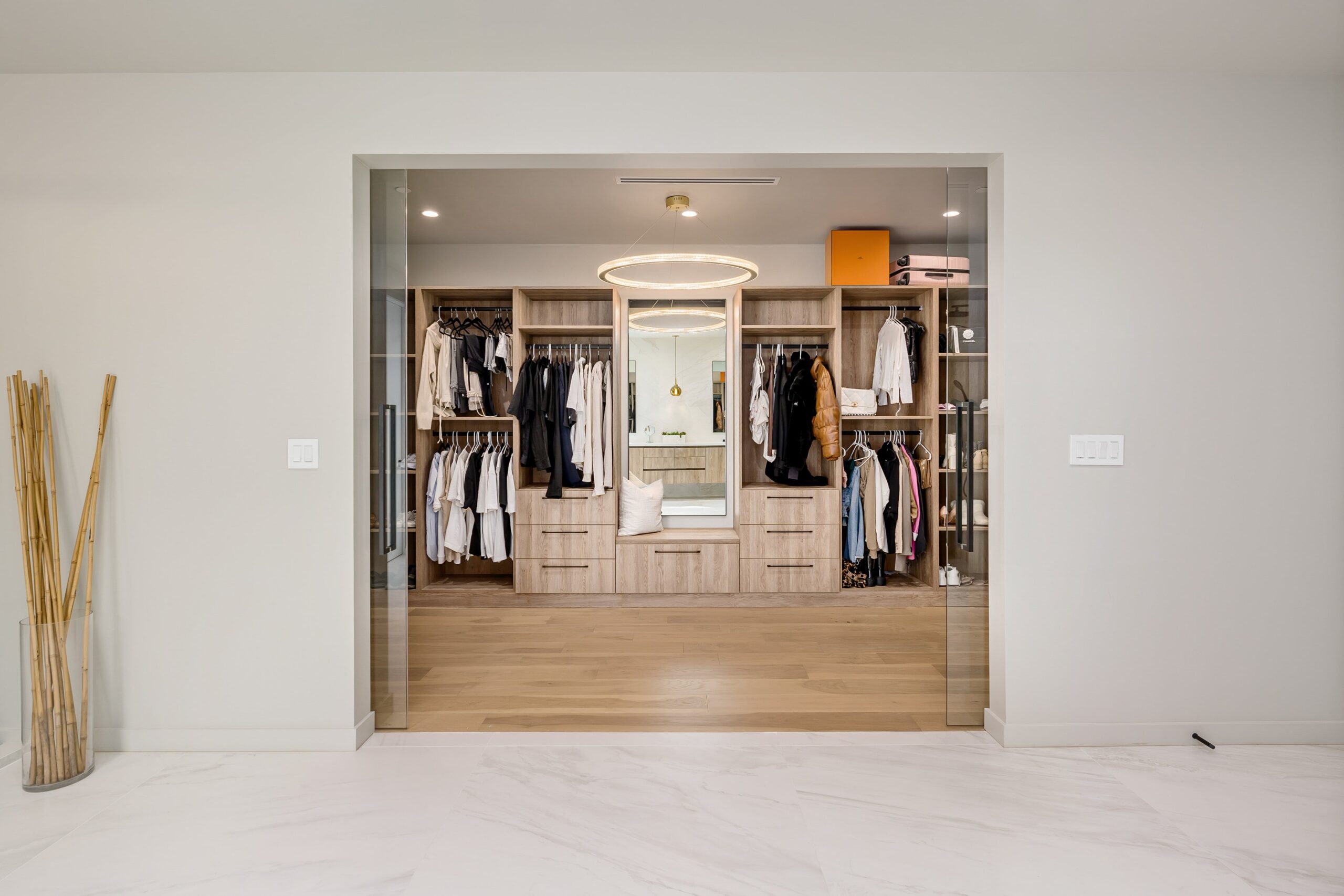
The closet is almost always the most cluttered space in a home, and it has an outsized effect on every room connected to it. A disorganized bedroom closet spills onto chairs, dressers, and floors. Start here: pull everything out, sort it completely, and only return what you are keeping. Once the closet is edited down, you will have a clear picture of how much hanging space, shelving, and drawer space you actually need. That clarity is when a custom closet system makes the most sense, because you are designing around what you have rather than guessing at what you might need.
The entryway and mudroom
The entryway is the first place clutter lands every time someone comes home. Shoes, coats, bags, and mail stack up here because there is no clear drop point for any of it. The fix is straightforward: give each category a designated spot. Key hooks, a home for shoes, somewhere to put bags. Once those spots exist with real infrastructure rather than the edge of a stair, the pile stops forming. A custom mudroom takes this further by building it around the way your household actually comes and goes.
The kitchen and pantry
Kitchen clutter tends to live in two places: every available surface and the junk drawer. Surface clutter usually means frequently used items do not have a close, convenient home. The junk drawer is everything that has no home at all. Tackle both by deciding what truly earns its spot and relocating the rest. Group pantry items by category, pull anything expired, and figure out what needs better containment before buying a single organizer. A custom pantry with adjustable shelving, pull-out trays, and designated zones is the long-term fix, but the edit always comes first.
Kids’ rooms and closets
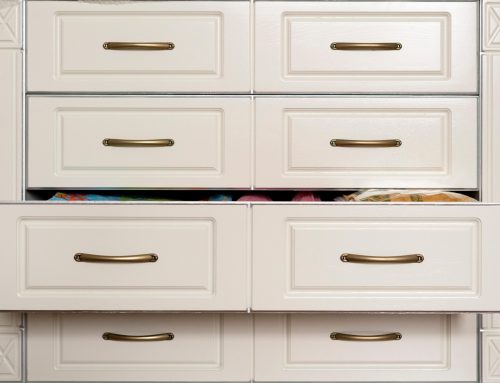
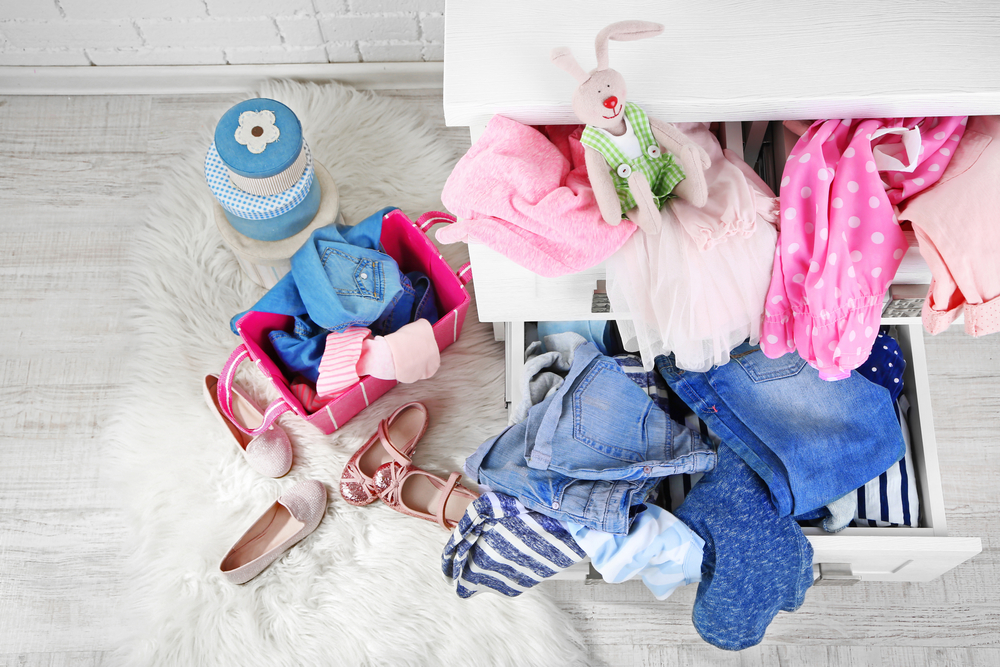
When kids are told to clean their rooms, most of them move the mess rather than address it. That is usually a systems problem, not a behavior problem. Kids need clearly labeled, reachable homes for shoes, clothing, and toys so that putting things away is actually possible. Under-bed bins in manageable sizes, a hamper inside the closet, and low rods sized for kids make a real difference. A kids’ closet with individual compartments built for each category turns cleanup from a negotiation into something that actually happens on its own.
Turning Decluttering into a Habit That Actually Sticks
A single weekend purge is a great start, but it will not keep a home consistently organized. The homes that stay clean long-term do two things differently. First, they have a custom storage system that makes it fast and natural to put things back. Second, they maintain short, regular habits that prevent clutter from reaching the overwhelming stage again.
Identify your biggest trouble spots. Mail dropping on the counter every day, clothes landing on the bedroom chair, shoes piling up at the door. For each one, define a single daily habit that addresses it. Open and recycle mail immediately rather than letting it sit. Do one pass through high-traffic surfaces before bed. Spend five minutes returning items to their designated spots each morning. These habits are far easier to keep when the storage system underneath them actually works, and when everything has a real home that is convenient enough to use every single day.
The one-in, one-out rule is the simplest maintenance framework that actually works: before anything new comes into a space, something leaves. It prevents slow accumulation without requiring a major purge session and keeps storage zones from quietly filling back up between seasonal reviews. Combined with a twice-a-year pass through every closet and storage area, most households find that serious clutter stops coming back for good.
What Every Decluttered Home Actually Needs in Place
Decluttering is the first step. These are the elements that make sure it holds:
- A custom closet system with dedicated zones for clothing, shoes, seasonal items, and accessories sized to your actual wardrobe
- A mudroom or entryway storage system with hooks, cubbies, and a bench so clutter stops at the door instead of spreading into the house
- A custom pantry with pull-out trays, labeled zones, and adjustable shelving so every kitchen item has a clear, reachable home
- A laundry room with built-in cabinets, hamper storage, and a folding surface so clean laundry stops living on the couch
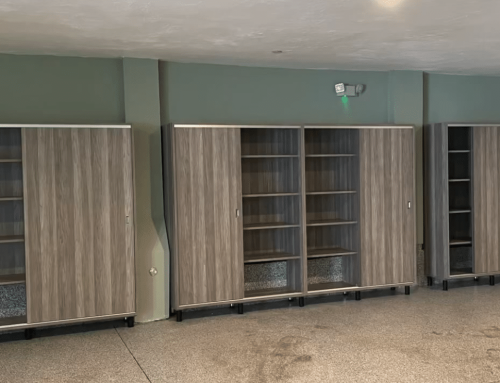
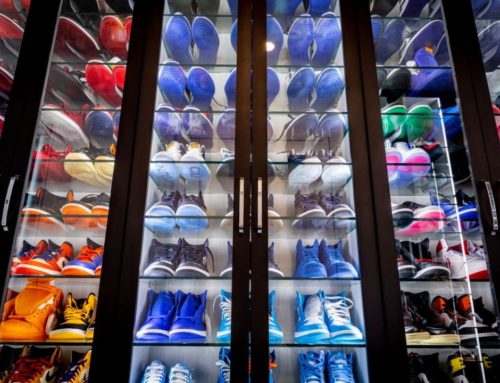
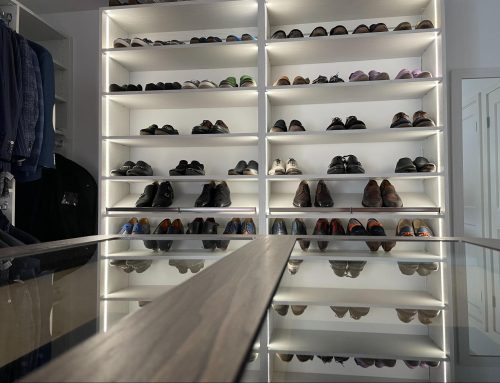
- Dedicated shoe storage near the entry with slanted shelves or racks that keep footwear off the floor and within reach
- A seasonal storage strategy built into existing closet or basement space, with accessible labeled zones for off-season rotation
- A short daily habit, five to ten minutes, of returning items to their designated homes before clutter has a chance to stack up again
- A seasonal review twice a year of every storage zone to donate outgrown items and keep the custom system working as your household changes

Before buying a single bin, basket, or organizer, finish the declutter first. Purchasing storage products for items you have not yet sorted is one of the most common and costly mistakes homeowners make. Declutter down to what you actually want to keep, then design a custom storage solution around those items. Boston Closet Co. offers free design consultations that start exactly this way: understanding what you have, how you use it, and what your space genuinely needs.
Looking for a deeper look at what Boston Closet Co. can design for your home? Our custom closet and storage systems page covers every option we offer, from walk-in and reach-in closets to pantries, mudrooms, laundry rooms, and home offices. Browse the full range before your free consultation so you walk in knowing exactly what your home needs most. Our full list of services covers everything we design and install, from closets to garages.
Boston Closet services
 Walk-in closets
 Reach-in closets
 Shoe storage
 Kids’ closets
 Laundry rooms
 Mud rooms
 Pantries
 Home offices
Ready to declutter your home for good?
Boston Closet Co. has been designing custom storage systems that help Greater Boston homeowners stay organized since 1976. Whether you need a complete closet overhaul, a custom mudroom, a built-in pantry, or a laundry room that actually works, our team will design a solution that fits your space, your habits, and your budget.
Frequently Asked Questions
Where should I start when I declutter my home?
Start with the space that bothers you most or the one that affects the most other rooms. For most homeowners, that is the bedroom closet or the entryway. Completing one zone fully, whether a single shelf, one side of a reach-in, or the entryway floor, builds the momentum needed to keep going. Avoid tackling multiple rooms at once. Partial progress in every room is less satisfying and harder to maintain than one completely finished space.
What is the best method for sorting through clutter?
The most reliable method is to pull everything out of the space first, group similar items together, and then sort into four categories: keep, donate, trash, and relocate. Work through the easiest decisions first, obvious junk, duplicates, expired goods, and build toward the harder calls. For each item you keep, ask whether you have used it in the last six to twelve months, whether you would buy it again today, and whether it has a real designated home in your space. Remove donation and trash bags from your home the same day. For items you genuinely cannot decide on, use the 90-day box and revisit in three months.
How do I stop clutter from coming back after I declutter?
The most reliable way to keep clutter from returning is to give every item a permanent, designated home in a well-designed storage system. Clutter accumulates where storage is inadequate, inconvenient, or not built around how you actually live. Pair a custom storage system with a short daily tidying habit and a twice-a-year seasonal review of every storage zone, and most homeowners find that serious clutter stops coming back for good.
How does a custom storage system help with home organization?
Off-the-shelf storage products are built for average spaces and average habits, which means they rarely fit your specific home or the way your household actually moves through it. A custom storage system from Boston Closet Co. is designed to the exact dimensions of your space, with shelving heights, hanging configurations, drawer layouts, and accessory placements chosen around what you actually own and how you use each room. The result is a system that is natural to use every day, which is the only kind that keeps a home organized long term.
Does Boston Closet Co. offer free consultations for home organization?
Yes. Boston Closet Co. offers free, no-obligation in-home design consultations as well as a virtual quote option for anyone who wants to start the process remotely. Our designers take the time to understand how you use each space, what you need to store, and what your goals are before recommending any custom storage solution. Contact us to schedule your consultation.